
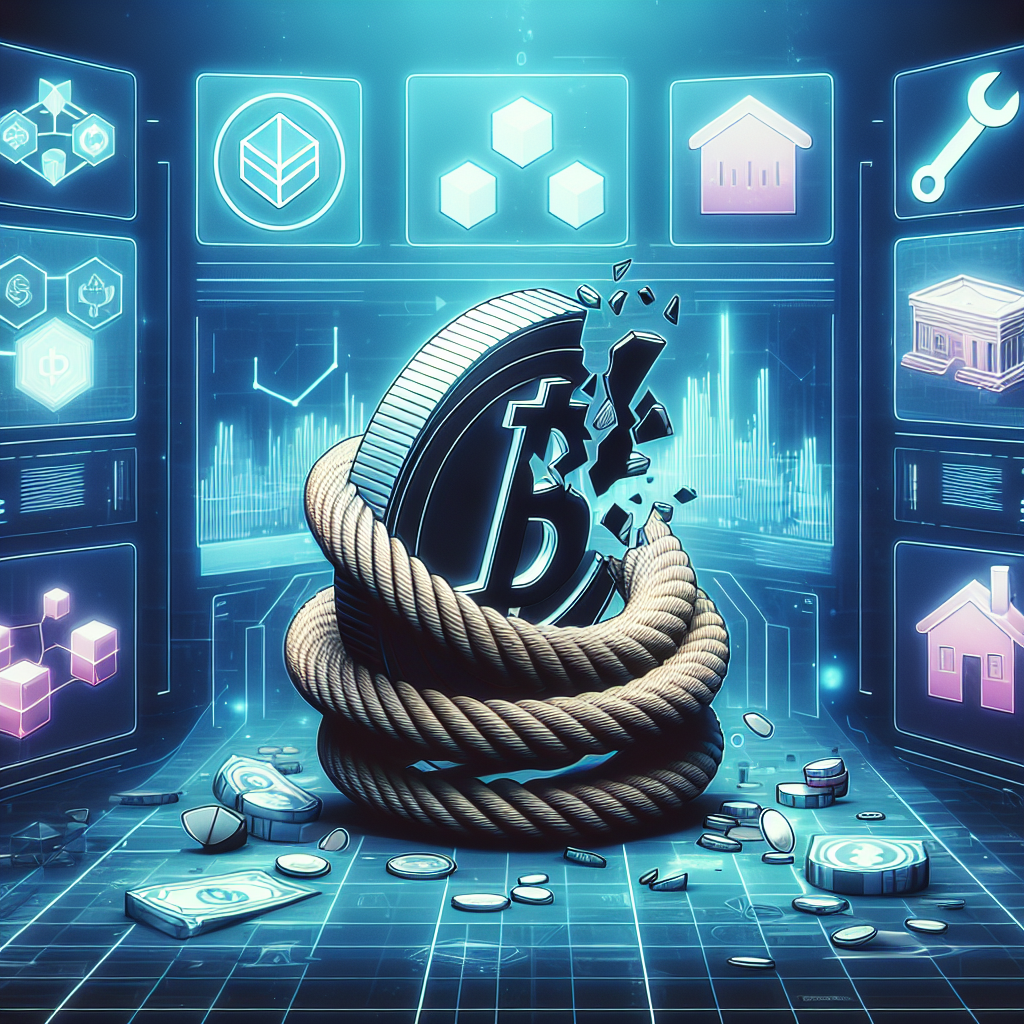
Tokenization is not a magical solution for illiquid assets according to PBW 2026
MSN
Tokenization: A Solution for Illiquid Assets or a Misconception?
Tokenization, the process of converting ownership of real-world assets into digital tokens on a blockchain, has garnered significant attention in recent years. Advocates argue that it can revolutionize the way assets are traded, making previously illiquid assets accessible to a broader market. However, industry experts caution that tokenization does not inherently solve the issues associated with illiquidity.
Understanding Illiquid Assets
Illiquid assets are those that cannot be easily sold or exchanged for cash without a substantial loss in value. Examples include real estate, collectibles, and private equity. The traditional barriers to trading these assets often stem from complex ownership structures, regulatory hurdles, and limited buyer interest. Tokenization aims to address these challenges by providing a more efficient means of transaction and fractional ownership.
The Realities of Tokenization
Despite its potential, tokenization alone does not "magically" transform illiquid assets into liquid ones. Experts, including those from the upcoming PBW 2026 event, emphasize that several factors must be considered for tokenization to be effective:
- Market Demand: Simply tokenizing an asset does not guarantee buyers. A robust market with genuine interest is essential.
- Regulatory Compliance: Different jurisdictions have diverse regulations surrounding digital assets. Ensuring compliance can be a complex and time-consuming process.
- Technology Adoption: For tokenization to succeed, both buyers and sellers must be comfortable with the underlying technology. Education and accessibility play crucial roles in this.
- Asset Valuation: Determining the value of tokenized assets can be challenging, especially in markets where recent sales data is scarce.
- Security Concerns: The rise of digital assets brings forth cybersecurity risks. Ensuring the security of tokenized assets is paramount.
The Future of Tokenization
While challenges exist, the future of tokenization remains promising. Innovations in blockchain technology continue to evolve, potentially addressing some of the existing barriers. For instance, developments in decentralized finance (DeFi) could enhance liquidity for tokenized assets by enabling peer-to-peer lending and trading.
Moreover, as awareness and understanding of blockchain technology grow among investors, the appetite for tokenized assets may increase. This shift could pave the way for new investment opportunities and enhanced market dynamics.
In conclusion, while tokenization offers a novel approach to asset ownership and trading, it is not a cure-all for the challenges posed by illiquid assets. A comprehensive strategy that encompasses market demand, regulatory compliance, and technological readiness is essential for realizing the true potential of tokenization in the financial landscape.