
The AI Tools Quietly Transforming Education in 2025 and Why Educators Cannot Afford to Ignore Them
Analytics Insight
The AI Tools Quietly Transforming Education in 2025 — And Why Educators Cannot Afford to Ignore Them
As we venture further into 2025, the educational landscape is undergoing a significant transformation driven by artificial intelligence (AI). These advancements are not merely enhancements; they represent a fundamental change in how education is delivered, experienced, and evaluated. Educators, administrators, and students alike must understand and embrace these tools to stay relevant in a rapidly evolving environment.
The Rise of AI in Education
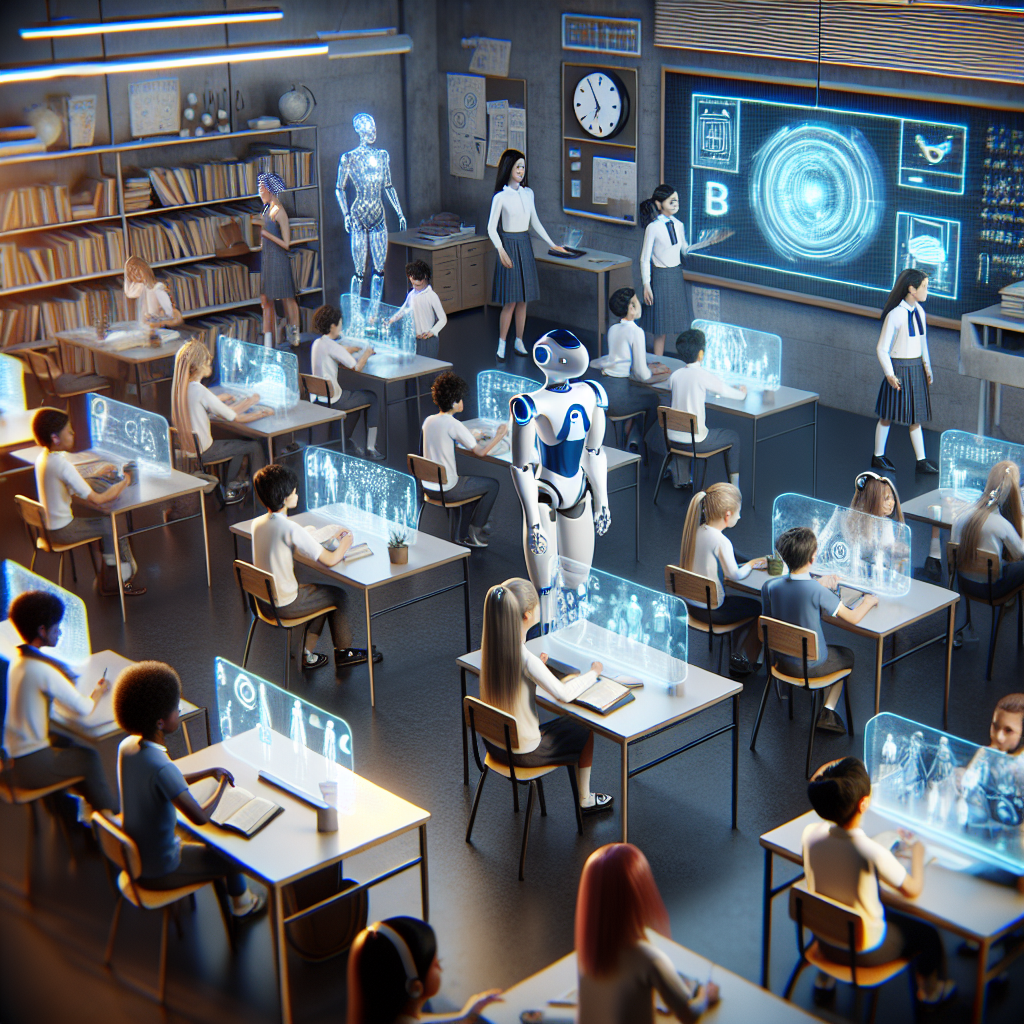
AI technologies have found their way into classrooms and online learning platforms, providing personalized learning experiences that cater to individual student needs. From adaptive learning algorithms that adjust content based on student performance to AI-driven tutoring systems that offer real-time feedback, these tools are reshaping educational methodologies.
For instance, AI systems can analyze vast amounts of data to identify learning patterns and predict student outcomes. This enables educators to intervene early with targeted support, ensuring that no student falls through the cracks. As a result, the traditional one-size-fits-all approach to education is being replaced by tailored learning experiences that enhance student engagement and achievement.
AI-Powered Tools Revolutionizing Learning
Several AI-powered tools are making significant waves in education in 2025:
- Intelligent Tutoring Systems (ITS): These systems provide personalized tutoring to students, adapting to their learning pace and style. They can identify weaknesses and strengths, offering customized exercises that help improve comprehension and retention.
- Automated Grading Systems: AI can streamline the grading process for educators, reducing the time spent on assessments and allowing them to focus more on instruction and student interaction. These systems can evaluate essays and projects, providing feedback that can help students improve their work.
- Virtual Learning Environments (VLEs): With AI, VLEs are becoming more interactive and responsive. They can track student engagement, suggesting resources or activities based on individual learning behaviors and preferences.
- Language Processing Tools: AI-driven tools can assist in language learning by providing instant translations, grammar corrections, and conversational practice, thus enhancing language acquisition in diverse classrooms.
The Importance of Adaptation
As these AI tools become more prevalent, educators cannot afford to ignore their potential. Embracing technology in the classroom is no longer optional; it is essential for fostering an environment that promotes innovation and prepares students for a future where digital literacy is key.
Professional development programs for teachers must incorporate training on the effective use of AI tools. Educators should be equipped with the knowledge and skills to integrate these technologies into their teaching practices, ensuring that they can maximize their benefits for student learning.
Challenges and Considerations
While the benefits of AI in education are substantial, there are challenges that need to be addressed. Issues such as data privacy, equity in access to technology, and the potential for algorithmic bias must be navigated carefully. Educators and policymakers need to collaborate to create guidelines that ensure ethical AI usage in schools.
Furthermore, there is a growing concern about the role of AI in education potentially undermining the human aspect of teaching. While AI can provide valuable support, the importance of human interaction, empathy, and mentorship in education cannot be overstated.
Conclusion
The transformative power of AI tools in education is undeniable. As we look towards the future, educators must recognize the importance of these technologies and their potential to enhance learning. By embracing AI, educators can create more inclusive, personalized, and effective educational experiences, paving the way for a generation of students equipped to thrive in an increasingly complex world. Ignoring these advancements is no longer an option; the time to adapt is now.


