
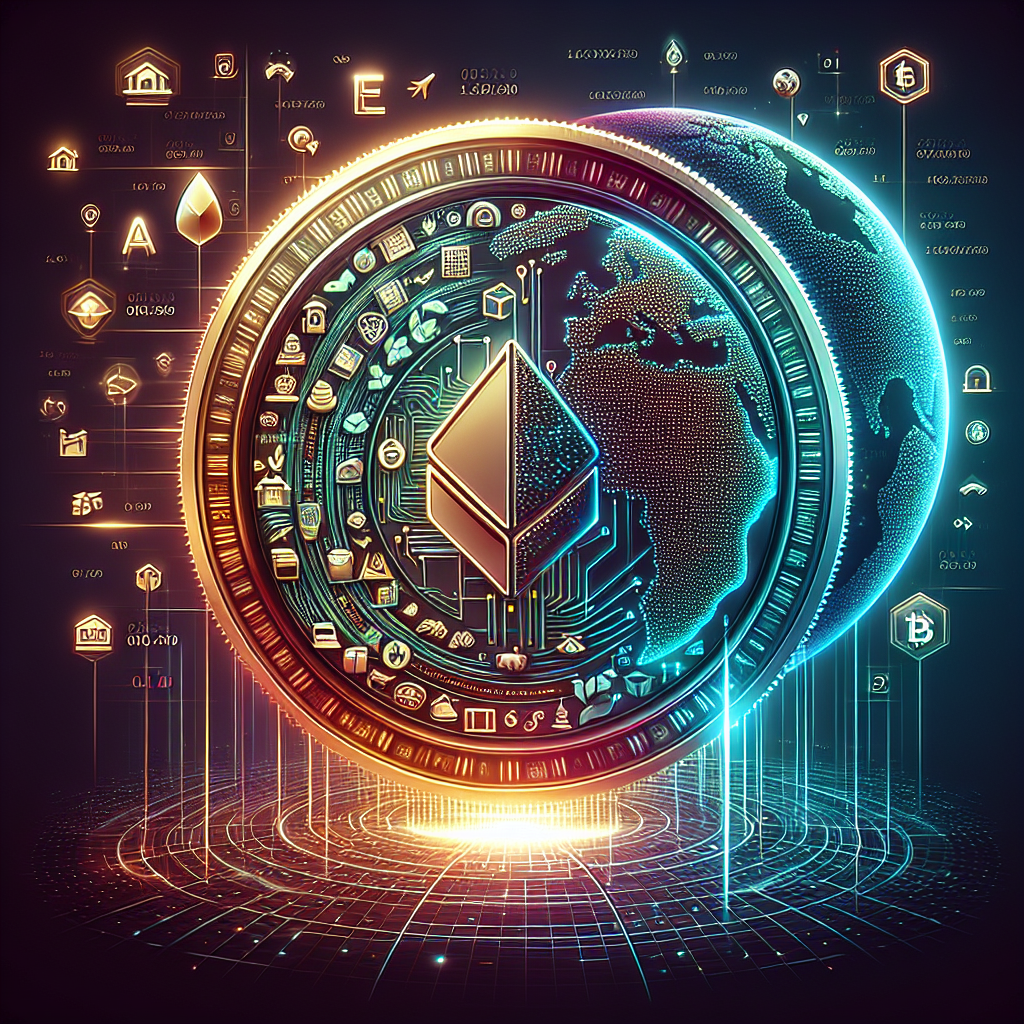
Transforming Management Trading and Access to Value through Asset Tokenization
Vocal
How Asset Tokenization is Transforming the Management, Trading, and Accessibility of Real-World and Digital Assets
In recent years, asset tokenization has emerged as a revolutionary concept that is reshaping the landscape of how we manage, trade, and access value from both real-world and digital assets. By leveraging blockchain technology, asset tokenization allows for the representation of tangible and intangible assets as digital tokens on a decentralized network, thereby enhancing transparency, liquidity, and efficiency in various markets.
Understanding Asset Tokenization
Asset tokenization involves converting the rights to an asset into a digital token that can be easily traded and managed on blockchain platforms. This process not only provides a secure and immutable record of ownership but also facilitates fractional ownership, enabling more people to invest in high-value assets that were previously only accessible to a select few. For instance, real estate, art, and even commodities can now be tokenized, allowing investors to buy and sell fractions of these assets.
Benefits of Tokenization
- Increased Liquidity: Traditional assets often suffer from illiquidity, as buying and selling can be time-consuming and cumbersome. Tokenization democratizes access to these assets, allowing for quicker transactions and a broader market reach.
- Enhanced Transparency: Blockchain technology ensures that all transactions are recorded in a transparent and immutable manner. This transparency builds trust among investors and reduces the potential for fraud.
- Lower Costs: By eliminating intermediaries such as brokers and agents, tokenization reduces transaction costs significantly. This efficiency allows for better returns on investment and makes trading more accessible.
- Global Access: Tokenized assets can be traded on a global scale, enabling investors from different geographical regions to participate in markets that were previously out of reach.
Applications in Various Sectors
Asset tokenization is making waves across multiple industries:
- Real Estate: Tokenization allows for fractional ownership of properties, enabling smaller investors to participate in the real estate market. This can lead to more diverse investment portfolios and increased market participation.
- Art and Collectibles: High-value art pieces and collectibles can be tokenized, allowing multiple investors to own a share of a valuable item. This opens up new avenues for investment in the art market.
- Commodities: Commodities such as gold and oil can be tokenized to facilitate easier trading and investment, providing additional liquidity and accessibility.
Challenges Ahead
Despite its potential, asset tokenization also faces several challenges. Regulatory uncertainty remains a significant barrier as governments worldwide grapple with how to classify and regulate tokenized assets. Moreover, technological hurdles such as scalability and security concerns must be addressed to ensure the widespread adoption of tokenization.
Future Outlook
The future of asset tokenization looks promising as more industries recognize its benefits. As technology evolves and regulatory frameworks become clearer, we are likely to see increased adoption and innovation in this space. The integration of smart contracts and decentralized finance (DeFi) may further expand the capabilities of tokenized assets, leading to a more efficient and accessible financial ecosystem.
In conclusion, asset tokenization is not just a passing trend; it represents a paradigm shift in how we manage, trade, and access various forms of value. As we continue to explore this transformative technology, we can anticipate a more inclusive and efficient financial landscape that empowers individuals and businesses alike.