

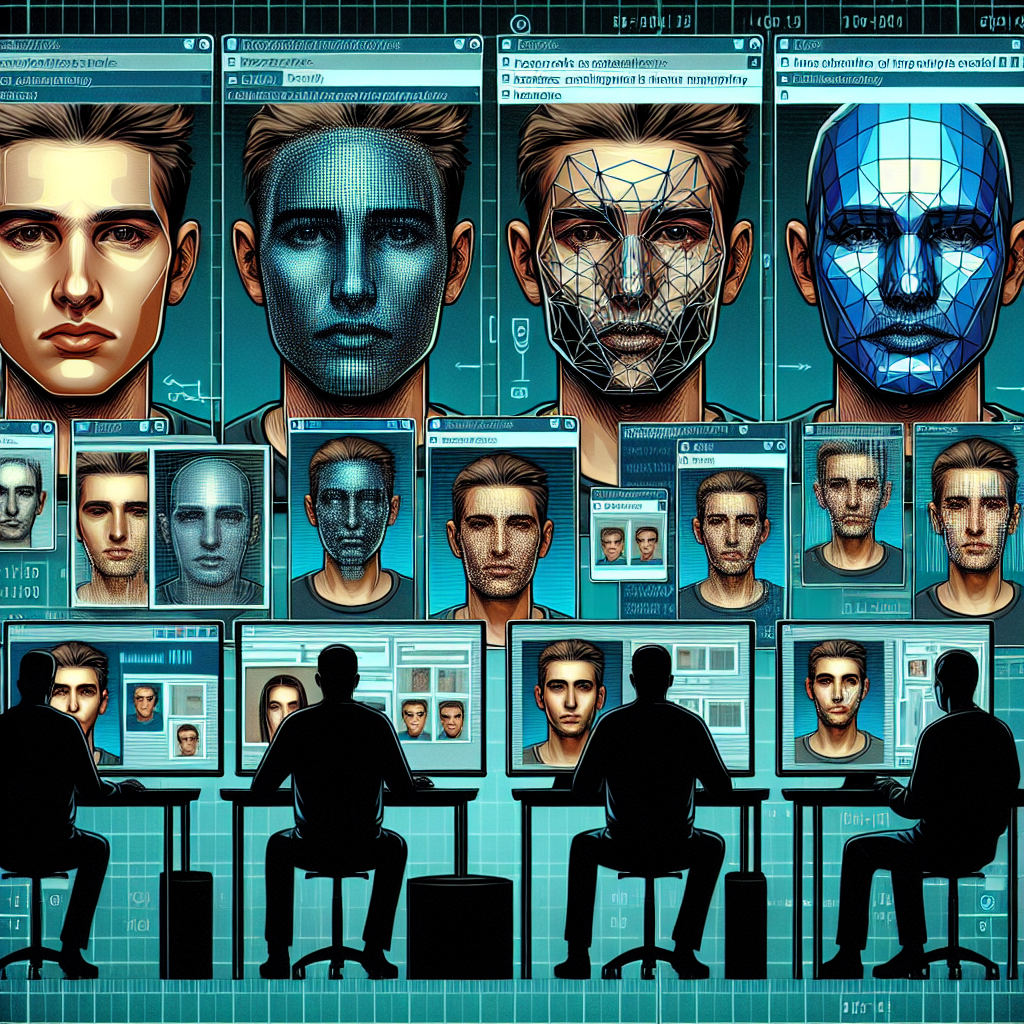
Deep fake demonstration highlights the sophistication of AI editing tools used by scammers for identity theft
MSN
Advanced Deepfake Technology: A Growing Threat in Identity Theft
In recent demonstrations, the capabilities of deepfake technology have been showcased, revealing the alarming sophistication of artificial intelligence (AI) editing tools that scammers are increasingly using to perpetrate identity theft. This advanced technology allows for the seamless manipulation of audio and video, making it difficult for individuals and organizations to distinguish between real and fabricated content.
The Mechanics of Deepfake Technology
Deepfake technology leverages machine learning algorithms, particularly those related to generative adversarial networks (GANs). These algorithms can analyze images and videos to create realistic simulations of individuals’ voices and appearances. As a result, cybercriminals can generate convincing impostors who can forge identities for fraudulent activities, including financial scams, social engineering, and misinformation campaigns.
Real-World Implications
The implications of these advancements are significant. Victims of identity theft can face severe financial repercussions, emotional distress, and damage to their reputations. Businesses are not immune either; deepfakes can be used to impersonate executives, leading to unauthorized transactions or breaches of sensitive information.
Recent Cases Highlighting the Threat
Several high-profile cases have emerged where deepfake technology played a pivotal role in identity theft. For instance, scammers have used deepfake videos to impersonate CEOs, convincing employees to transfer large sums of money. Additionally, deepfake audio has been used in phishing attacks, where a voice mimicking a trusted individual instructs the recipient to divulge confidential information.
Countermeasures and Detection Techniques
As the technology evolves, so do the strategies for combating it. Experts are developing sophisticated detection tools that analyze inconsistencies in audio and visual content, such as unnatural facial movements or irregular voice patterns. Moreover, raising awareness about the existence and potential dangers of deepfakes is crucial. Individuals and organizations are encouraged to verify identities through multiple channels before acting on requests that seem unusual or suspicious.
The Future of Deepfake Technology
Looking ahead, the potential uses of deepfake technology extend beyond malicious activities. In the realms of entertainment and education, this technology can create realistic simulations for training purposes or enhance storytelling in films. However, the dual-use nature of deepfakes poses ethical dilemmas, necessitating a balanced approach to regulation and governance.
In conclusion, while deepfake technology showcases remarkable advancements in AI, it also presents significant challenges in the fight against identity theft and fraud. As both individuals and organizations become more aware of its capabilities, the focus must remain on developing robust detection methods and fostering a culture of vigilance against these emerging threats.


