
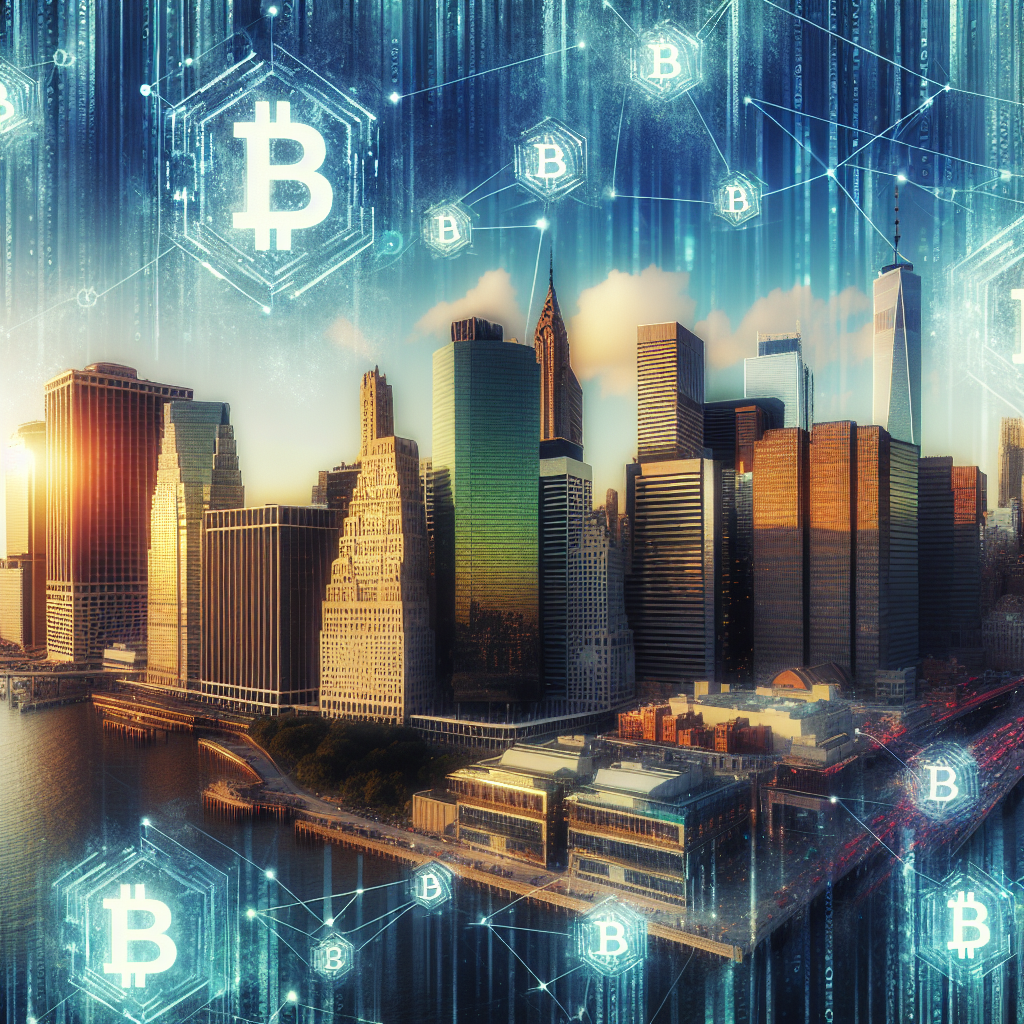

Tokenization of Real Estate and the Impact of Wall Street on Manhattan Skyscrapers in Blockchain
Financial-News.co.uk
Tokenizing Real Estate: Wall Street’s Innovative Approach to Manhattan Skyscrapers on the Blockchain
In a groundbreaking development, Wall Street is embracing blockchain technology to revolutionize the real estate market, particularly in iconic locations like Manhattan. This innovative approach, known as tokenization, allows real estate assets to be converted into digital tokens that can be traded on blockchain platforms. This shift is set to transform how investors access and manage real estate investments, making them more efficient, transparent, and accessible.
Understanding Tokenization
Tokenization involves creating a digital representation of a physical asset, such as a skyscraper, on a blockchain. Each token represents a share of ownership in the property, enabling fractional ownership. This means that investors can own a fraction of a high-value asset, which was previously only accessible to wealthy individuals or institutional investors. By lowering the barriers to entry, tokenization democratizes real estate investment, allowing a broader range of investors to participate in the market.
The Benefits of Blockchain in Real Estate
The integration of blockchain technology into real estate offers numerous advantages:
- Increased Liquidity: Traditional real estate transactions can be time-consuming and illiquid. Tokenization enhances liquidity by allowing assets to be traded on secondary markets, making it easier for investors to buy and sell their shares.
- Transparency and Security: Blockchain’s decentralized nature ensures that all transactions are recorded securely and transparently. This reduces the risk of fraud and provides investors with a clear and immutable record of ownership.
- Lower Costs: By streamlining the buying and selling process, tokenization can significantly reduce transaction costs associated with real estate investments, such as legal fees and intermediary costs.
- Global Reach: Investors from around the world can access tokenized real estate assets, expanding the market and attracting international capital to local properties.
The Rise of Tokenized Skyscrapers
In Manhattan, several projects are already underway to tokenize prestigious skyscrapers. These initiatives are attracting attention from both small investors and large institutional players. For instance, some firms are exploring partnerships with blockchain platforms to issue tokens for high-profile properties, allowing investors to participate in the ownership of landmark buildings with significant growth potential.
Regulatory Landscape and Challenges
While the potential for tokenization is immense, it is essential to navigate the regulatory landscape carefully. The real estate sector is heavily regulated, and tokenization must comply with existing laws governing securities and property ownership. As regulators adapt to the evolving landscape, clarity will be crucial for investors and developers alike.
The Future of Real Estate Investment
As technology continues to advance, the tokenization of real estate is poised to reshape the investment landscape. With Wall Street leading the charge, Manhattan skyscrapers and other high-value properties may soon become accessible to a diverse range of investors, paving the way for a more inclusive and dynamic real estate market.
In conclusion, the tokenization of real estate is not just a trend; it represents a fundamental shift in how we buy, sell, and invest in properties. As more skyscrapers in Manhattan and beyond become tokenized, the implications for the real estate market are profound, promising to enhance liquidity, transparency, and accessibility for investors everywhere.