
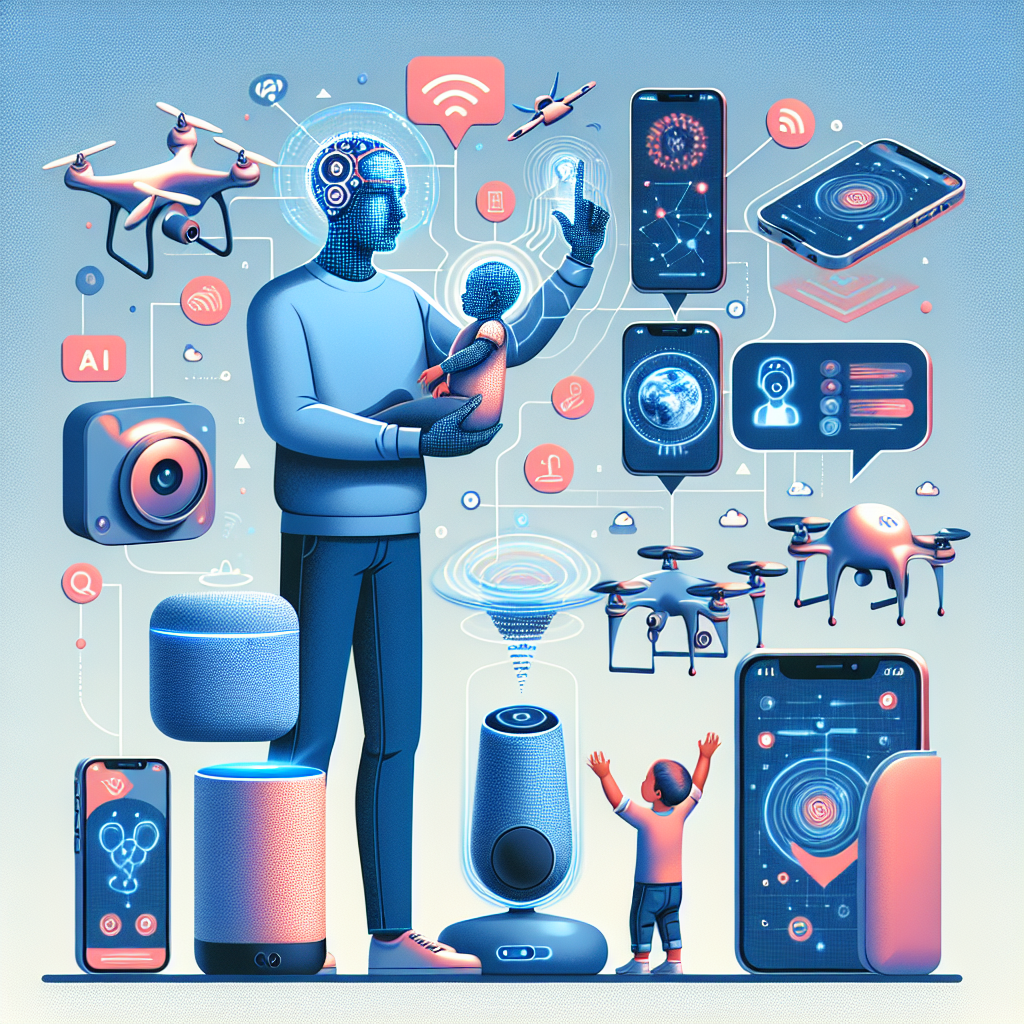

Sam Altman Discusses AI Tools in Parenting
Times of India
Sam Altman Embraces AI Tools in Parenting: “I Can’t Imagine Parenting Without It”
In a recent interview, Sam Altman, the CEO of OpenAI, expressed his enthusiasm for leveraging artificial intelligence tools as a new father. He highlighted the transformative impact of AI on modern parenting, stating, “I can’t imagine parenting without it.” Altman’s comments come at a time when AI technologies are becoming increasingly integral in various aspects of daily life, including child-rearing.
The Role of AI in Modern Parenting
As parents navigate the complexities of raising children, AI tools are emerging as invaluable resources. From providing instant access to parenting advice to helping with daily tasks, AI can significantly reduce the stress associated with parenthood. For instance, AI-driven applications can offer personalized suggestions for child development activities, meal planning, and even health monitoring.
Altman emphasized that AI can assist in organizing schedules, managing household chores, and offering educational resources tailored to a child’s age and interests. These tools not only enhance efficiency but also free up more quality time for parents to spend with their children.
AI and Child Development
AI is also making waves in the realm of child development. Educational platforms powered by AI can adapt to a child’s learning pace, providing customized lessons that cater to individual needs. This personalized approach can foster a deeper understanding of subjects and promote a love for learning from an early age.
Moreover, AI can aid in tracking developmental milestones, alerting parents to any concerns that may require professional attention. By utilizing these tools, parents can ensure that their children receive the support they need during crucial developmental stages.
The Future of Parenting with AI
As AI technology continues to evolve, its applications in parenting are expected to expand. Altman envisions a future where AI can assist not just in logistical aspects of parenting but also in emotional support. For example, AI could help parents manage their own mental health, providing resources and strategies for coping with the challenges of parenthood.
Ethical considerations surrounding AI in parenting are also a topic of discussion. As these tools become more integrated into family life, it is crucial to address concerns regarding data privacy, screen time, and the potential for over-reliance on technology.
In conclusion, Sam Altman’s insights reflect a growing trend among parents who embrace AI tools to enhance their parenting experience. As technology continues to advance, the relationship between AI and parenting will likely deepen, offering new opportunities and challenges for families. The future of parenting may well be shaped by the tools we choose to integrate into our daily lives.