
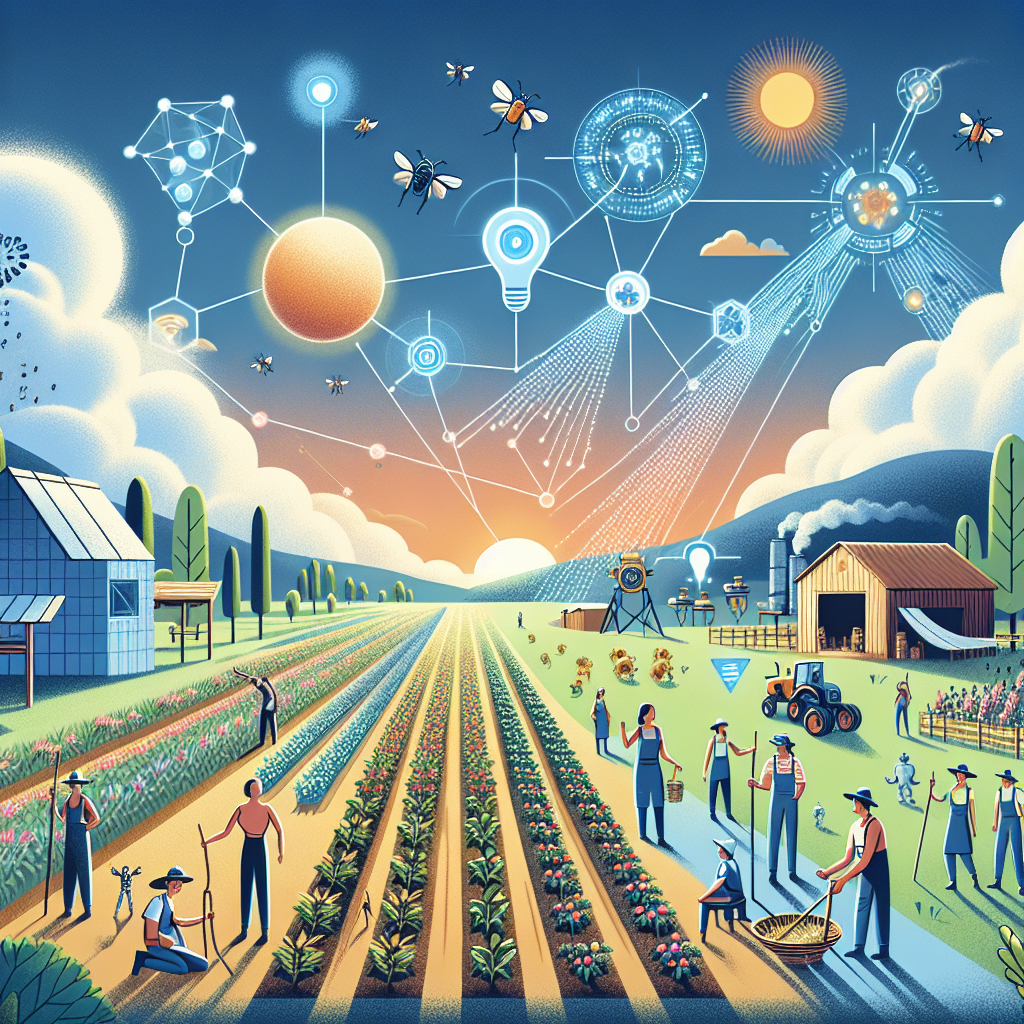

AI Provides Farmers with New Tools to Combat Heat Pests and Disease
The Washington Post
AI Empowers Farmers with Advanced Solutions for Climate Challenges
In recent years, the agricultural sector has faced significant challenges due to extreme weather conditions, pest infestations, and plant diseases. To address these issues, farmers are increasingly turning to artificial intelligence (AI) as a powerful ally. This technology is revolutionizing traditional farming practices by providing innovative tools that enhance productivity and sustainability.
AI algorithms can analyze vast amounts of data, including weather patterns, soil conditions, and crop health indicators. By leveraging this information, farmers can make informed decisions about when to plant, irrigate, and apply pesticides or fertilizers. For instance, predictive analytics can forecast pest outbreaks, allowing farmers to take preemptive measures to protect their crops.
Enhanced Heat Resilience
As global temperatures rise, heat stress on crops is becoming a major concern. AI-driven solutions are helping farmers identify heat-resistant crop varieties and optimize irrigation practices to mitigate the effects of extreme heat. By monitoring microclimates within fields, AI can provide real-time recommendations on watering schedules, ensuring that plants receive the right amount of moisture without wasting valuable resources.
Pest Management Innovations
Pest infestations can devastate crops, leading to significant financial losses. AI technology is transforming pest management through the use of smart traps and drones equipped with image recognition capabilities. These tools can detect pest populations early on, enabling farmers to implement targeted interventions rather than resorting to broad-spectrum pesticides that can harm beneficial insects.
Disease Detection and Prevention
Plant diseases can spread rapidly, threatening entire harvests. AI is enhancing disease detection through advanced imaging techniques and machine learning models that can identify symptoms at an early stage. By analyzing images of plants, AI can differentiate between healthy and infected specimens, allowing farmers to isolate and treat affected areas promptly. This proactive approach not only saves crops but also reduces the reliance on chemical treatments.
Sustainable Practices
The integration of AI in agriculture is also promoting sustainability. By optimizing resource use, farmers can reduce their environmental impact while maintaining productivity. For example, AI can help in precision farming, where inputs such as water and fertilizers are applied more efficiently based on real-time data, minimizing waste and runoff.
Future Prospects
As technology continues to advance, the potential applications of AI in agriculture will expand. Innovations such as autonomous farming equipment and blockchain for supply chain transparency are on the horizon. These developments promise to further enhance the efficiency and resilience of agricultural systems, ensuring food security in the face of climate change.
In conclusion, AI is proving to be an invaluable resource for farmers grappling with the challenges of heat, pests, and diseases. By harnessing the power of technology, the agricultural sector can pave the way for a more sustainable and productive future. As more farmers adopt these tools, the landscape of agriculture is set to transform, making it better equipped to handle the uncertainties that lie ahead.