
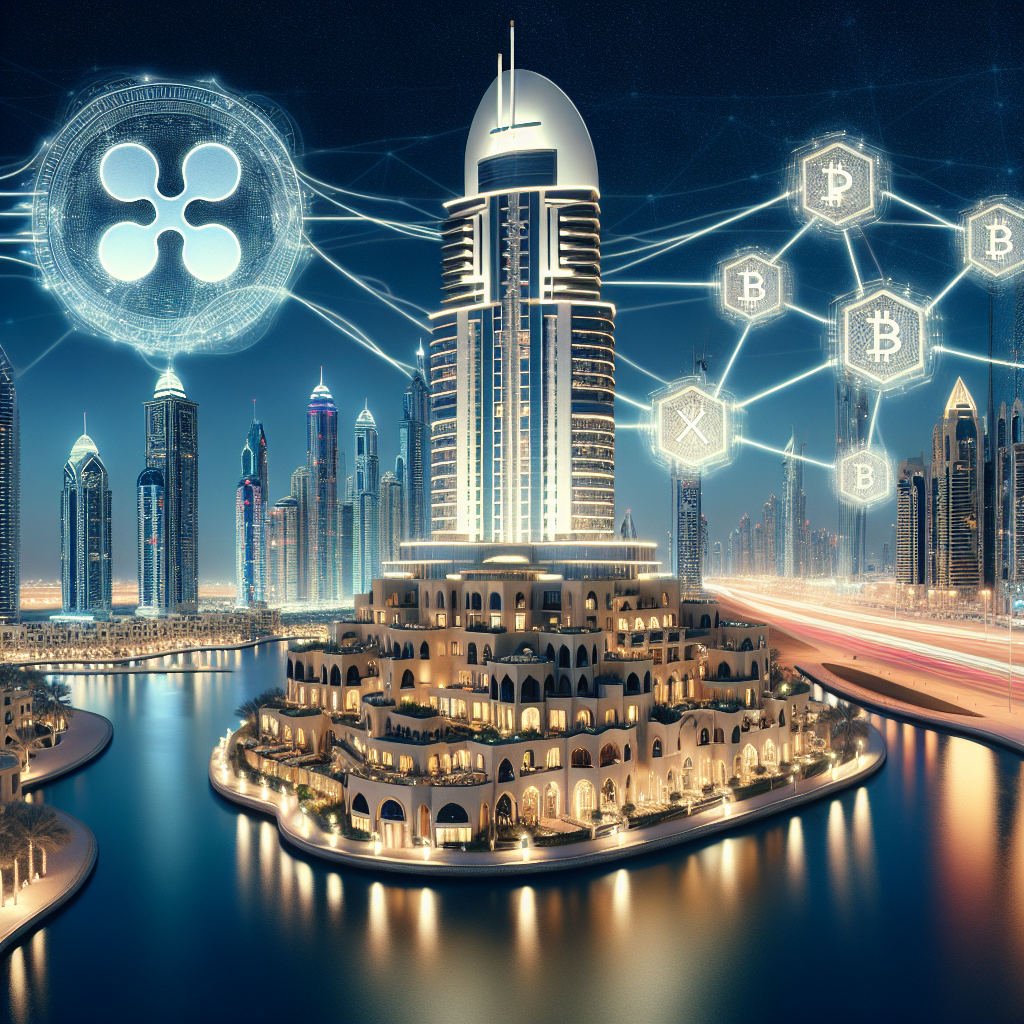

Dubai Embraces Blockchain Technology Allowing Investors to Purchase Fractional Luxury Properties with XRP
HOKANEWS.COM
Dubai Embraces Blockchain Technology: Fractional Luxury Property Investments Now Available with XRP
In a groundbreaking development, Dubai is making waves in the real estate market by allowing investors to purchase fractions of luxury properties using XRP, a popular cryptocurrency. This innovative approach not only democratizes access to high-end real estate but also showcases Dubai’s commitment to integrating blockchain technologies across various sectors.
The Rise of Fractional Ownership
Fractional ownership has gained traction in recent years, particularly in high-value assets like luxury real estate. This model enables multiple investors to own a share of a property, making it more affordable for individuals who may not have the capital to buy a whole property outright. By allowing investments in smaller increments, Dubai is positioning itself as a forward-thinking hub for real estate investment.
The Role of XRP in Real Estate Transactions
XRP, the cryptocurrency associated with the Ripple network, is known for its fast transaction speeds and low fees, making it an ideal choice for real estate transactions. By leveraging XRP, Dubai aims to streamline the buying process, reduce costs, and enhance transparency for both buyers and sellers. This shift not only supports the local economy but also attracts a global audience of tech-savvy investors.
Regulatory Framework and Security Measures
The move to integrate cryptocurrency into real estate transactions comes with a robust regulatory framework designed to protect investors. Dubai’s real estate authorities are working closely with blockchain experts to ensure compliance with local laws, thereby fostering a secure environment for these innovative investments. This regulatory diligence is crucial for building trust among investors who may be hesitant to engage in cryptocurrency transactions.
Future Prospects for Blockchain in Real Estate
As Dubai continues to embrace blockchain technology, the implications for the real estate market are significant. The city is already known for its luxurious properties and vibrant real estate scene, and the addition of blockchain technology is expected to attract even more international investors. Furthermore, this initiative could serve as a model for other global cities looking to modernize their real estate markets.
Conclusion
Dubai’s decision to allow fractional investments in luxury properties using XRP marks a significant milestone in the intersection of real estate and blockchain technology. As this trend gains momentum, investors around the world may find new opportunities to engage with the Dubai real estate market, further solidifying the city’s reputation as a leader in innovation and investment. The future of real estate in Dubai looks bright, with technology paving the way for a more inclusive and efficient market.