
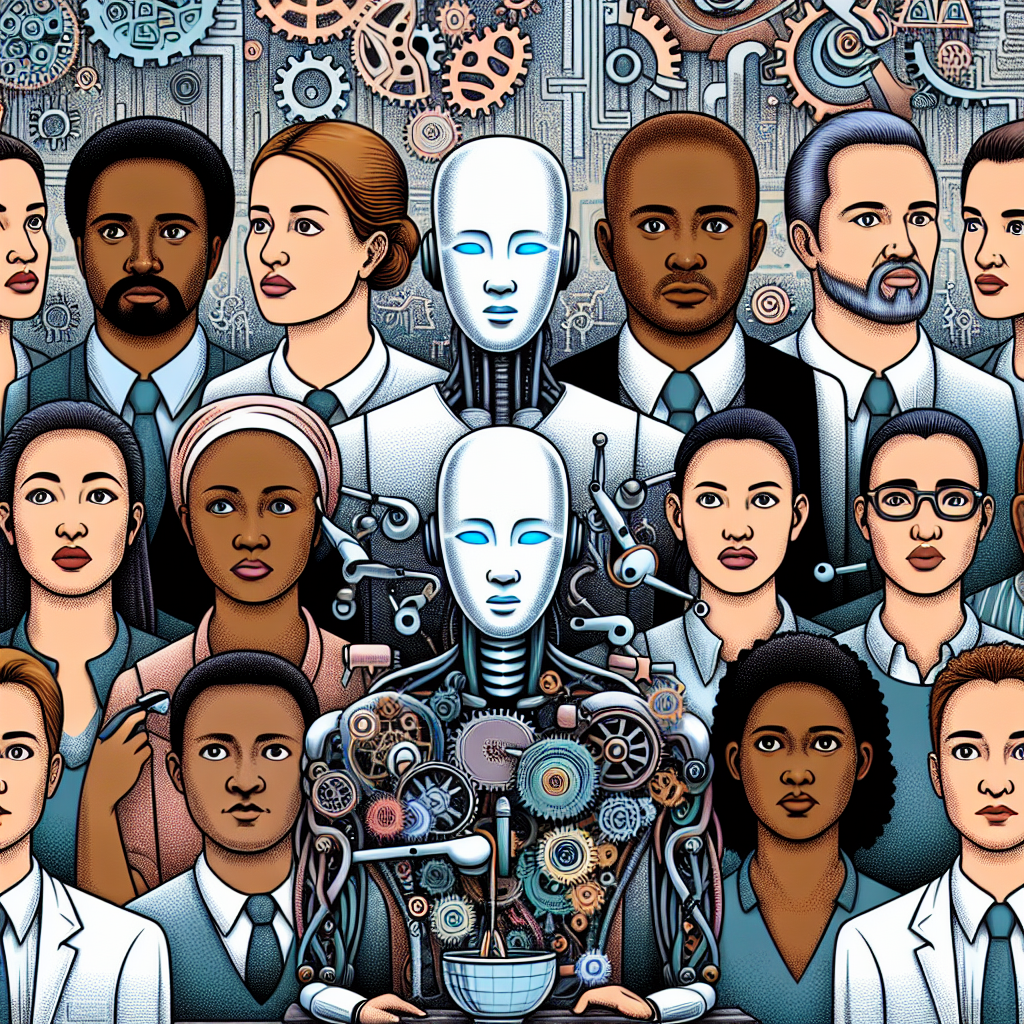

Jobs Most Affected by AI Changes Including Coders Translators and Content Writers
The Financial Express
Careers at Risk: The Impact of AI on the Labor Market
As artificial intelligence (AI) continues to advance, many professions are facing uncertainty. A recent analysis highlights ten job categories that are particularly vulnerable to automation and AI technologies. These findings prompt workers in these fields to reconsider their career trajectories.
Professions Most Affected by AI
- Coders and Programmers: With the rise of AI-driven coding tools, traditional programming roles may see reduced demand. Automated coding systems can generate code snippets, debug, and optimize, potentially lessening the need for human coders.
- Translators: AI translation tools have made significant strides, allowing for quick and accurate language translations. This advancement threatens the job security of professional translators who may find themselves competing against increasingly sophisticated algorithms.
- Content Writers: The ability of AI to generate human-like text has raised concerns for content creators. Automated writing tools can produce articles, blogs, and marketing content, which may diminish the demand for traditional writing roles.
- Data Entry Clerks: As AI systems become more adept at processing and managing data, the need for manual data entry is decreasing. Automation can handle large datasets more efficiently, making this role less relevant.
- Customer Service Representatives: Chatbots and virtual assistants are now capable of handling basic customer inquiries and support tasks. This shift could lead to a decline in demand for human customer service agents.
- Retail Cashiers: With the rise of self-checkout systems and automated payment technologies, the need for cashiers in retail environments is diminishing, as customers increasingly opt for automated solutions.
- Manufacturing Workers: Robotics and AI in manufacturing have streamlined production processes, reducing the need for human labor in assembly lines and other repetitive tasks.
- Market Research Analysts: AI tools can analyze consumer data and market trends at an unprecedented scale and speed, potentially reducing the demand for human market researchers.
- Paralegals: Legal research and document review processes can now be performed by AI, which may impact the job security of paralegals who assist attorneys.
- Financial Analysts: AI has the capability to process vast amounts of financial data, enabling it to generate insights and predictions that were once the domain of human analysts.
Navigating the Future Job Landscape
Professionals in these vulnerable fields should consider upskilling or reskilling to remain competitive. Emphasizing creativity, emotional intelligence, and complex problem-solving—areas where humans excel—will be crucial. Continuous learning and adapting to new technologies can help individuals pivot to roles that AI cannot easily replicate.
Conclusion
The ongoing evolution of AI is reshaping the labor market across various sectors. While some jobs may become obsolete, new opportunities will emerge. Workers must stay informed and proactive about their career paths in this rapidly changing environment. As AI continues to integrate into everyday operations, understanding its implications on employment will be essential for future success.
For further insights on how AI is transforming the workplace, check out the full article from The Financial Express.