
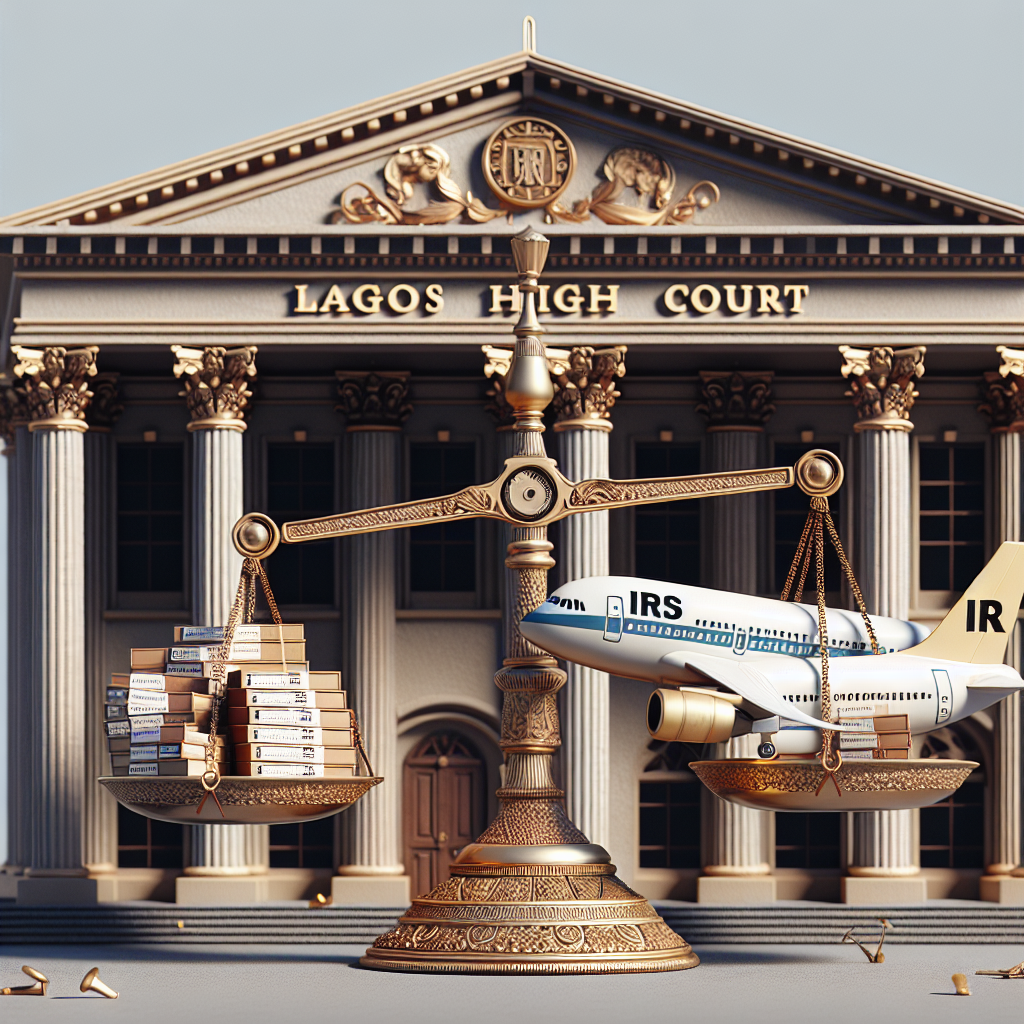

Lagos High Court Decides in Favor of IRS Airlines in Aircraft Insurance Dispute
Lagos High Court Rules in Favor of IRS Airlines in Aircraft Insurance Dispute
In a significant ruling, the Lagos High Court has sided with IRS Airlines in a contentious aircraft insurance case, marking a pivotal moment for the airline industry in Nigeria. This decision has implications not only for IRS Airlines but also for the broader aviation sector, highlighting the importance of clarity in insurance agreements and the protection of airline operations.
The case centered around a dispute regarding the coverage of an aircraft that had been involved in an incident, raising questions about the terms of the insurance policy and the responsibilities of the involved parties. The ruling confirmed IRS Airlines’ position that the insurance policy provided adequate coverage for the incident, thereby allowing the airline to avoid substantial financial losses that could have arisen from an unfavorable interpretation of the policy.
Implications for the Aviation Sector
This ruling is expected to have far-reaching consequences for airlines operating in Nigeria. It underscores the necessity for airlines to ensure that their insurance policies are comprehensive and clearly outline coverage details to protect against unforeseen incidents. The decision may also encourage other airlines to revisit their insurance agreements and seek legal clarity when faced with similar disputes.
Additionally, this case highlights the vital role of the judiciary in providing a fair resolution to commercial disputes, reinforcing trust in the legal system. As the aviation industry continues to recover from the impacts of the COVID-19 pandemic, ensuring robust legal frameworks for operational challenges is crucial for fostering growth and stability.
IRS Airlines: A Brief Overview
Founded in 2004, IRS Airlines has been a key player in Nigeria’s aviation sector, providing domestic and regional flight services. The airline has faced various challenges over the years, including regulatory hurdles and operational disruptions. However, it has remained committed to enhancing its service offerings and expanding its fleet to meet the growing demands of air travel in Nigeria and beyond.
In light of this ruling, IRS Airlines is expected to strengthen its operational strategies and enhance its risk management practices, ensuring that it is well-prepared for any future challenges. With the Nigerian aviation industry poised for growth, the airline’s focus on compliance and safety will be essential in maintaining its competitive edge.
Conclusion
The Lagos High Court’s ruling in favor of IRS Airlines serves as a reminder of the critical nature of clear and comprehensive insurance policies in the aviation sector. As the industry navigates recovery and growth, this case may set a precedent for how insurance disputes are handled in the future, ultimately contributing to a more resilient aviation environment in Nigeria. Stakeholders will be closely watching how this ruling influences insurance practices and operational strategies across the industry in the coming years.